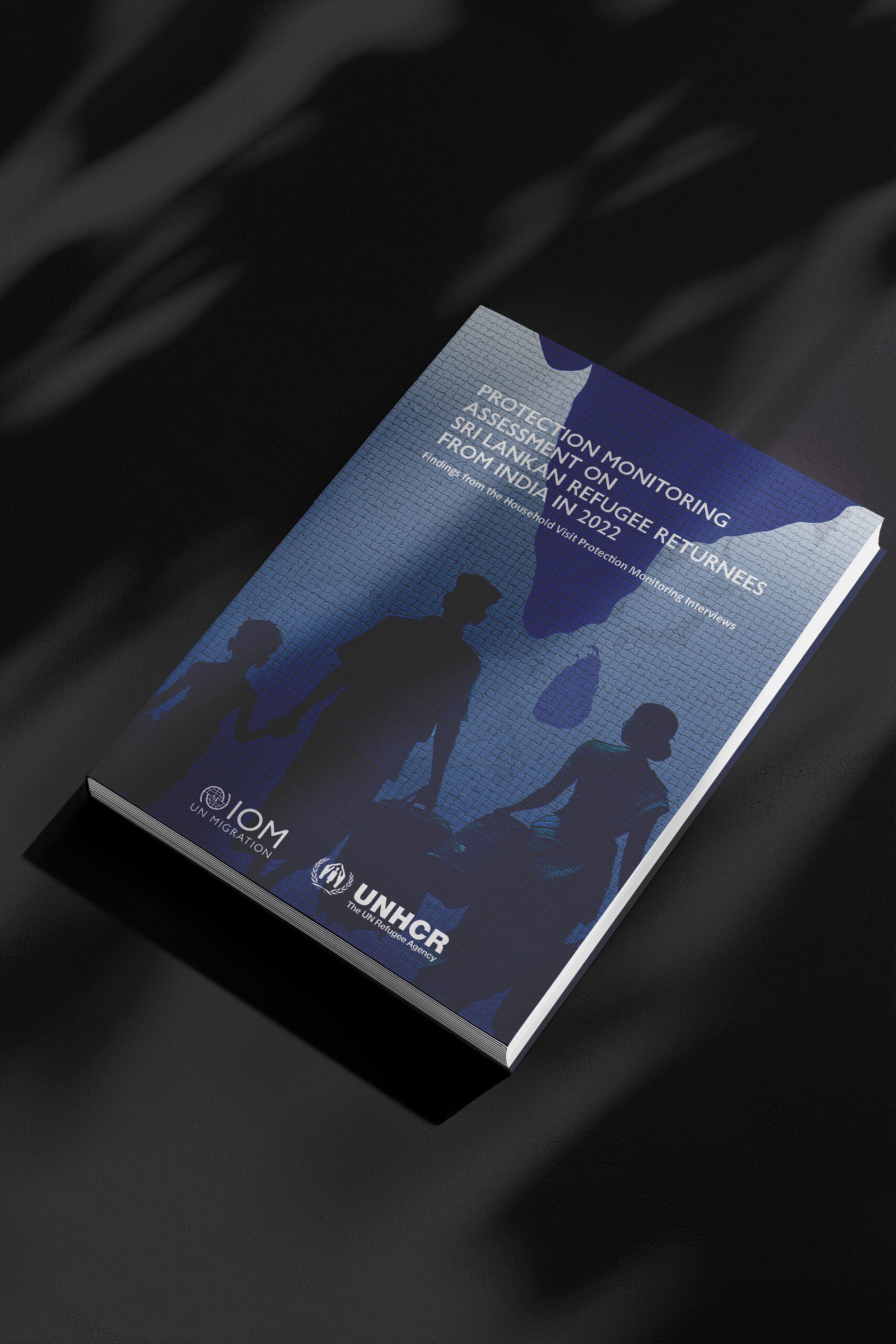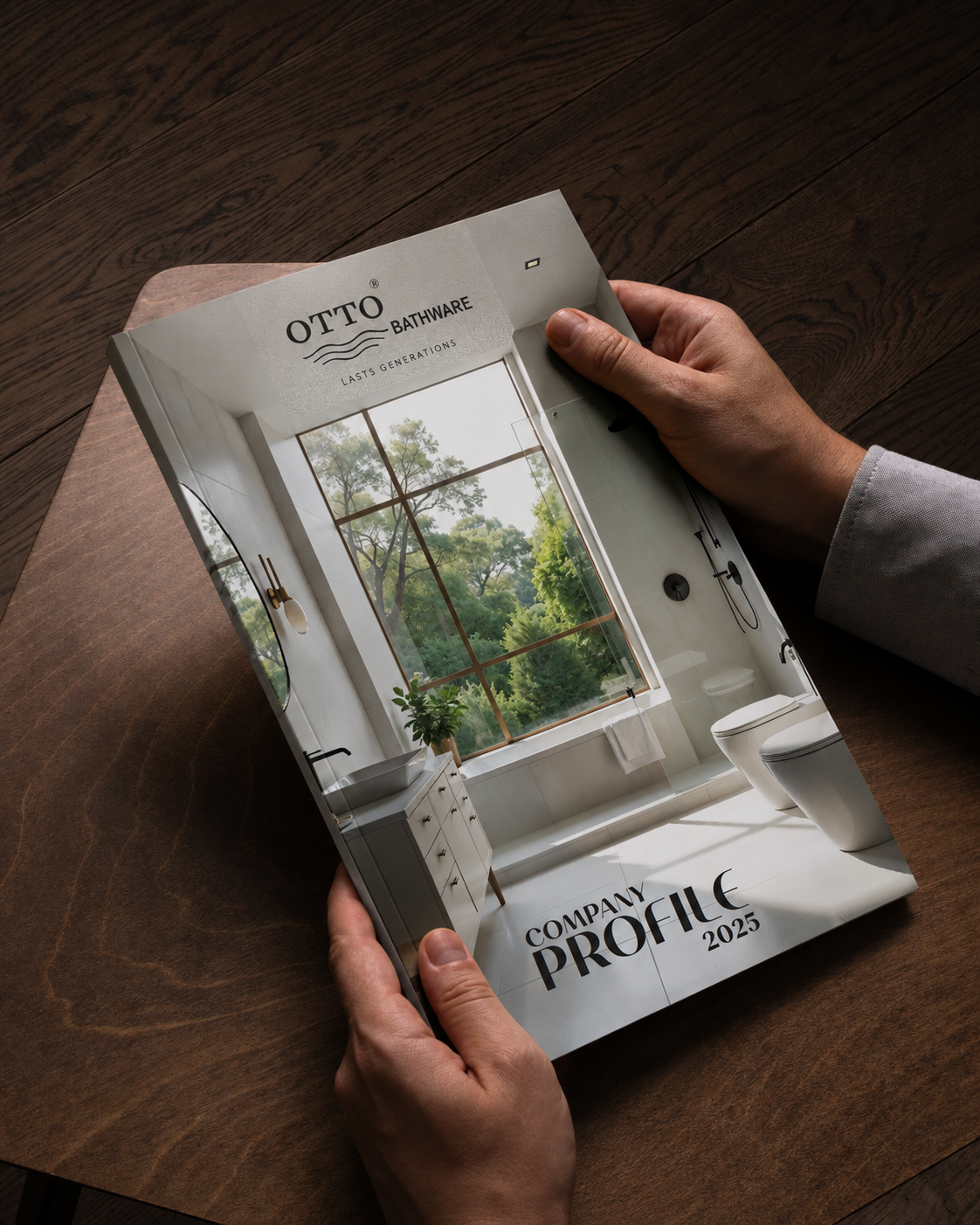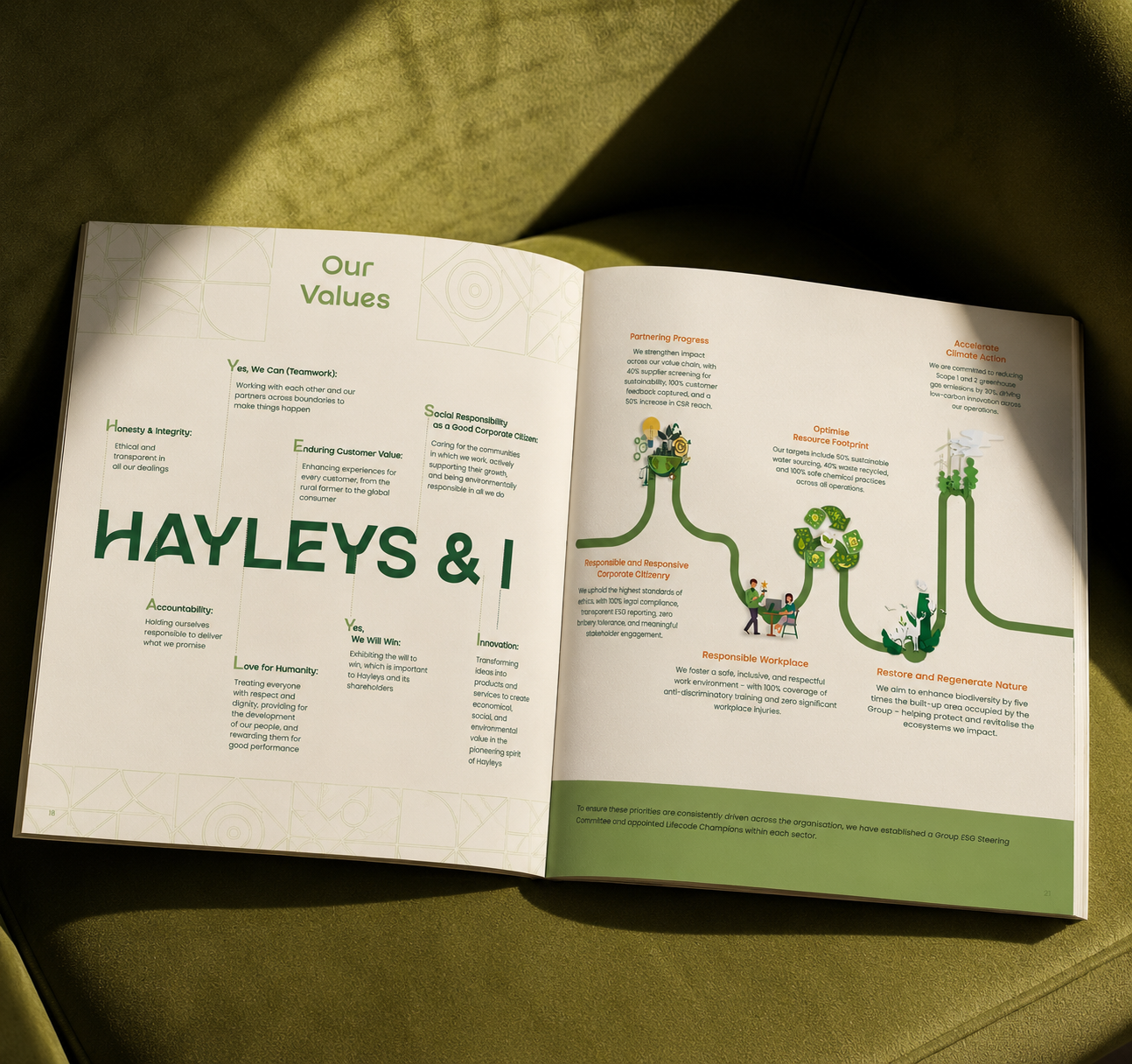
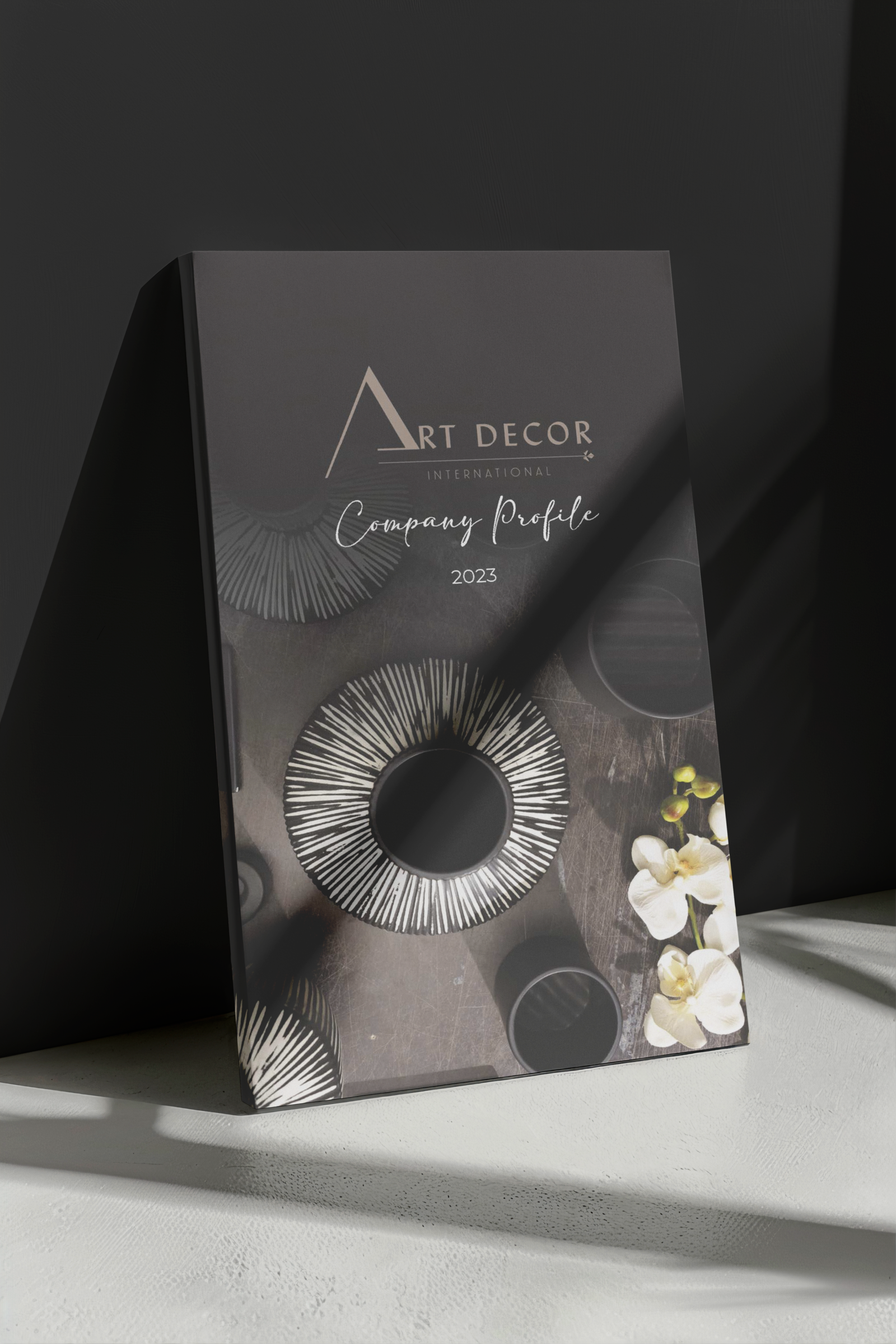
Company profile design plays an important role in how a business presents itself to potential clients, partners, and investors. A well-designed company profile communicates an organisation’s values, expertise, and services in a clear and professional way.
But an effective company profile is more than a collection of information placed across a series of pages. Professional company profile design combines structure, typography, imagery, and visual storytelling to make information easier to understand and the brand more memorable.
A well-designed company profile guides readers through the information in a meaningful order. It typically introduces the company, explains its expertise, presents its services, and highlights relevant achievements or experience. Clear sections, descriptive headings, and a consistent layout help readers find important information quickly. The goal is to make the document easy to navigate without overwhelming the reader.
Typography plays an important role in professional document design. Heading styles establish hierarchy, while body text needs to remain comfortable to read across different page layouts. Using too many typefaces or inconsistent text styles can make a company profile feel disjointed. A considered typographic system creates consistency and helps readers distinguish essential information from supporting details.
A company profile should feel like a natural extension of the organisation’s identity. Colour palettes, typography, graphic elements, and imagery should work together to create a recognisable visual language. Consistency does not mean every page must look identical. A flexible layout system allows different types of content to have their own character while maintaining a cohesive overall design.
Images should contribute to the story rather than simply fill empty space. Photography, diagrams, infographics, and carefully selected graphic elements can explain complex information and communicate the character of a business. Authentic, relevant imagery is particularly valuable when presenting products, facilities, people, or completed projects. Every visual should have a clear role within the document.
A company profile should reflect how it will be used and who will read it. A profile intended for prospective clients may emphasise services and experience, while one prepared for investors may require more information about business performance and future direction.
The format matters too. A printed profile, a digital PDF, and an interactive document have different practical requirements. Planning for the intended use helps the design remain functional as well as visually engaging.
An effective layout gives content room to breathe. Thoughtful margins, alignment, grids, and white space create visual balance and prevent pages from feeling crowded. Not every page needs the same composition. Some pages may benefit from strong imagery, while others require structured information or detailed project descriptions. The underlying design system keeps these variations connected.
A carefully designed company profile makes business information easier to absorb and presents the organisation with greater clarity. It helps bring together the brand’s story, expertise, and visual identity in one cohesive document. Good design cannot replace strong content, but it can make that content more accessible, persuasive, and memorable.
The right design approach depends on the company’s goals, audience, and the information it needs to communicate. Some profiles benefit from an image-led editorial style, while others require structured layouts that present services, capabilities, and business information clearly.
A consistent design system helps bring these different content types together. When typography, colour, imagery, and spacing work as a unified whole, the company profile becomes easier to navigate and more aligned with the brand’s identity.
An effective company profile balances communication with visual quality. Clear structure, readable typography, consistent branding, relevant imagery, and thoughtful layouts work together to create a professional presentation.
Whether the final format is a corporate brochure, a detailed company profile, or a digital publication, the objective remains the same: communicate the business clearly and leave the reader with a stronger understanding of the brand.
Need a company profile or corporate publication designed for your business? Explore my publication design portfolio to see how layout, typography, and visual storytelling can bring business information together.