Blog
Food Styling vs Food Photography: What's the Difference?
Food styling vs food photography is an important distinction for restaurants, hotels, and food brands planning professional visual content. Although the two disciplines work closely together, they have different roles in creating compelling food images. Food styling prepares and arranges the food for the camera, while food photography captures the finished scene through lighting, composition, and framing.
Understanding how these two creative processes work together can help businesses plan more effective imagery for menus, websites, packaging, social media, and advertising campaigns.
What Is Food Styling?
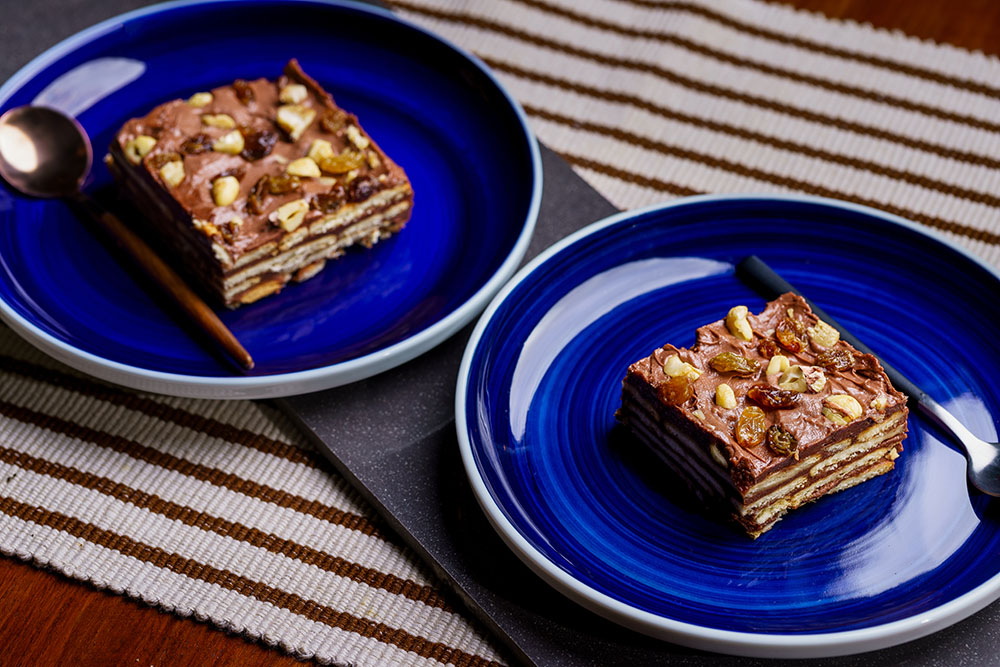
Food styling is the process of preparing, arranging, and presenting food so it looks appealing on camera. It involves decisions about plating, colour, texture, ingredients, props, surfaces, and the overall composition of a scene.
A food stylist considers how the dish will appear from the camera’s perspective. Small adjustments to a garnish, sauce, ingredient placement, or plate position can make a significant difference to the final image.
Food styling also helps establish a visual mood. A rustic restaurant campaign may use natural textures and relaxed arrangements, while a premium food brand might require a cleaner, more controlled presentation.
The goal is to make the food look its best while supporting the story and identity of the brand.
What Is Food Photography?
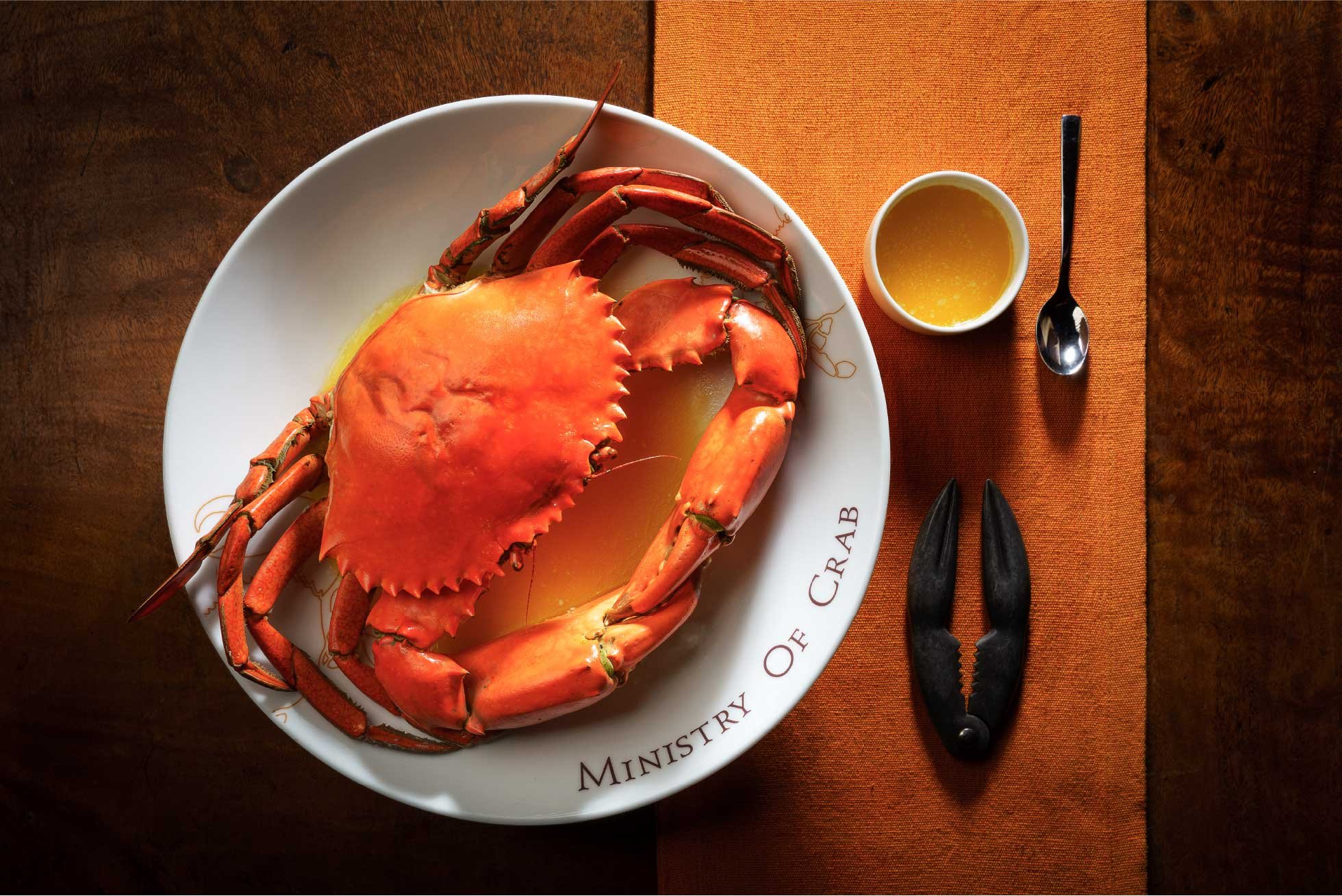
Food photography is the process of capturing food through a camera. It combines technical knowledge with creative decisions about lighting, angles, framing, depth, and composition.
A food photographer considers how light reveals texture, how shadows create depth, and how the camera angle communicates the character of a dish. The photographer also works with the stylist to ensure that the arrangement translates effectively into an image.
Professional food photography may be used for restaurant menus, editorial features, hotel marketing, product packaging, websites, and commercial campaigns.
Food Styling vs Food Photography: The Key Differences
The main difference is where each discipline focuses its attention.
Food styling focuses on:
Preparing and arranging the food.
Selecting plates, props, and background surfaces.
Balancing colour, texture, and visual detail.
Creating a presentation that supports the brand’s message.
Food photography focuses on:
Choosing camera angles and framing.
Controlling light, shadow, and exposure.
Capturing the food’s texture and atmosphere.
Producing the final image through careful selection and editing.
Neither role works in isolation on a collaborative shoot. A change in lighting may affect how the food looks, while a change in plating may alter the composition. The strongest results come from considering both together.
Why Food Styling Matters for Brands
Food images often create a first impression before a customer tastes a dish or experiences a product. Thoughtful food styling helps brands communicate quality, personality, and atmosphere through visual details.
For a restaurant, styling can make menu photography feel consistent with the dining experience. For a packaged food brand, it can help highlight ingredients, texture, and product appeal. For a hotel, carefully styled food imagery can contribute to a wider sense of hospitality and quality.
Styling choices should always reflect the intended audience and the brand’s identity rather than following trends without a clear purpose.
How Food Styling and Photography Work Together
A successful food shoot begins with a clear visual direction. The team considers the intended audience, the purpose of the images, the food being photographed, and where the finished visuals will appear.
The food stylist prepares the dish and surrounding elements, while the photographer establishes the lighting, camera angle, and composition. They then make adjustments together as the image develops.
Planning ahead is particularly useful when a campaign needs multiple images. Consistent styling, lighting, and visual direction help the finished photographs feel connected across menus, websites, social media, and promotional materials.
When Should You Hire a Food Stylist?
Not every food photograph requires a dedicated stylist. For simple, informal content, a chef or photographer may be able to manage the presentation themselves.
Professional food styling becomes especially valuable when the images need to meet a specific creative brief, communicate a premium brand identity, or appear across a large campaign. It can also help when multiple dishes or products need to look consistent within the same shoot.
The right approach depends on the project’s scope, budget, and intended outcome.
Designing for Print and Digital
Print and digital publications have different practical requirements. Printed documents need appropriate margins, image resolution, colour settings, and preparation for the intended printing process.
Digital publications need to remain legible on screens and may benefit from clickable links and accessible navigation. Considering the final format early helps ensure that the design works as intended.
Final Thoughts
Food styling and food photography are different but complementary disciplines. Styling shapes how the food and scene appear, while photography captures that presentation through light, framing, and composition.
When both are guided by a clear creative direction, the result is more than an attractive image. It becomes a visual expression of the brand, helping communicate its character and connect with its audience.
Planning food imagery for your brand or hospitality business? Explore my creative portfolio to see how thoughtful styling and visual presentation can support compelling brand communication.